
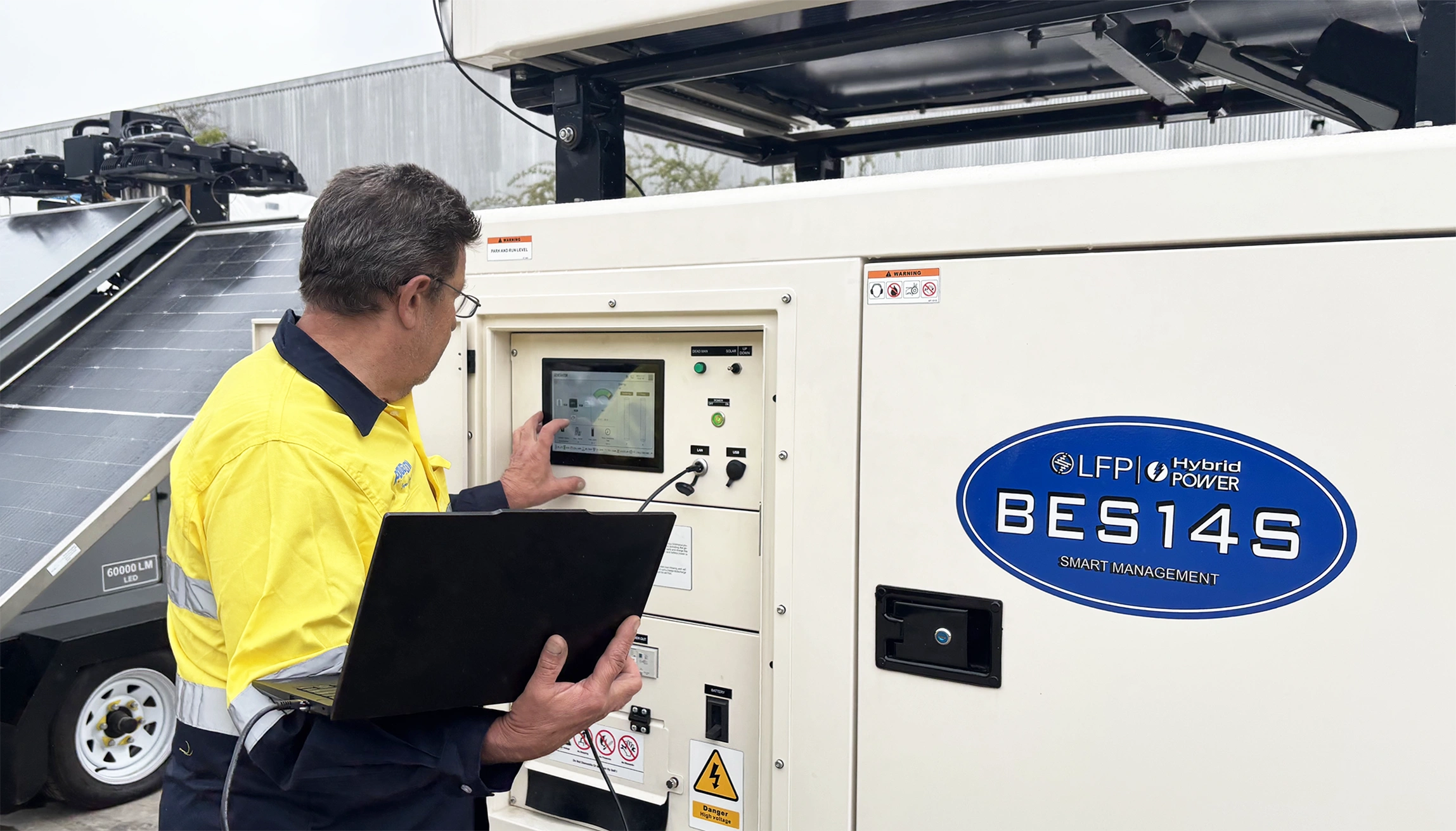
Whether you are relying on an energy storage system, commercial backup power, or high-performance industrial units, your battery setup is a critical investment. With recent advancements in energy technology, modern systems are built for endurance, yet even the highest-quality batteries need routine care to reach their maximum potential.
Neglecting basic upkeep can lead to diminished capacity, unexpected downtime, and premature replacement costs. To help you get the absolute most out of your power assets, here is a deep dive into the industry-standard strategies for extending battery service life.
Top Strategies for Superior Battery Health
1. Master Temperature Control
Temperature is arguably the single most influential factor affecting battery degradation.
- The Heat Trap: Excessive heat accelerates internal chemical reactions, swiftly wearing down cell structures. Always ensure your batteries are housed in shaded, well-ventilated areas away from direct sunlight.
- The Cold Constraint: Freezing temperatures can severely dent overall capacity and efficiency. Aim for a stable, climate-controlled environment whenever possible.
2. Avoid Deep Discharging
A common habit that kills battery life quickly is letting units drain entirely to 0% before recharging.
- The Sweet Spot: Modern lithium and advanced energy storage systems thrive when kept within a healthy operational range. Try to recharge units before they drop below 20%, and avoid keeping them pegged at maximum capacity indefinitely.
3. Leverage Smart Charging Practices
Using mismatched chargers or unstable power sources creates unnecessary stress, leading to overheating and internal component failure. Always utilize compatible, manufacturer-recommended chargers that align precisely with your system’s voltage and current specifications.
4. Implement Routine Health Checks and Cleanliness
Dust, moisture, and corrosion around terminals can create minor conductive paths that slowly drain energy or interfere with connection efficiency.
- Periodically inspect terminals for buildup.
- Keep monitoring software or Battery Management Systems (BMS) active to track cell balancing, voltage, and thermal data.
5. Proper Storage Protocols
If you plan to store batteries for an extended period, never leave them fully drained or fully charged.
- Store them at roughly 40% to 60% charge in a cool, dry environment, and check on them periodically to prevent deep self-discharge.
Pro Tip: Treating your power systems with proactive care safeguards your operational continuity and guarantees a higher return on investment over hundreds—or thousands—of charge cycles.
Get in Touch with PowerLink
Looking for expert advice, heavy-duty backup power systems, or professional battery storage solutions tailored to your requirements? Reach out to the team at PowerLink today:
- Oceania Region Head Office: 6/113 Woodpark Rd, Smithfield NSW 2164, Australia
- Phone Enquiries: +61 2 8858 9688
- Website: powerlinkenergy.com.au