
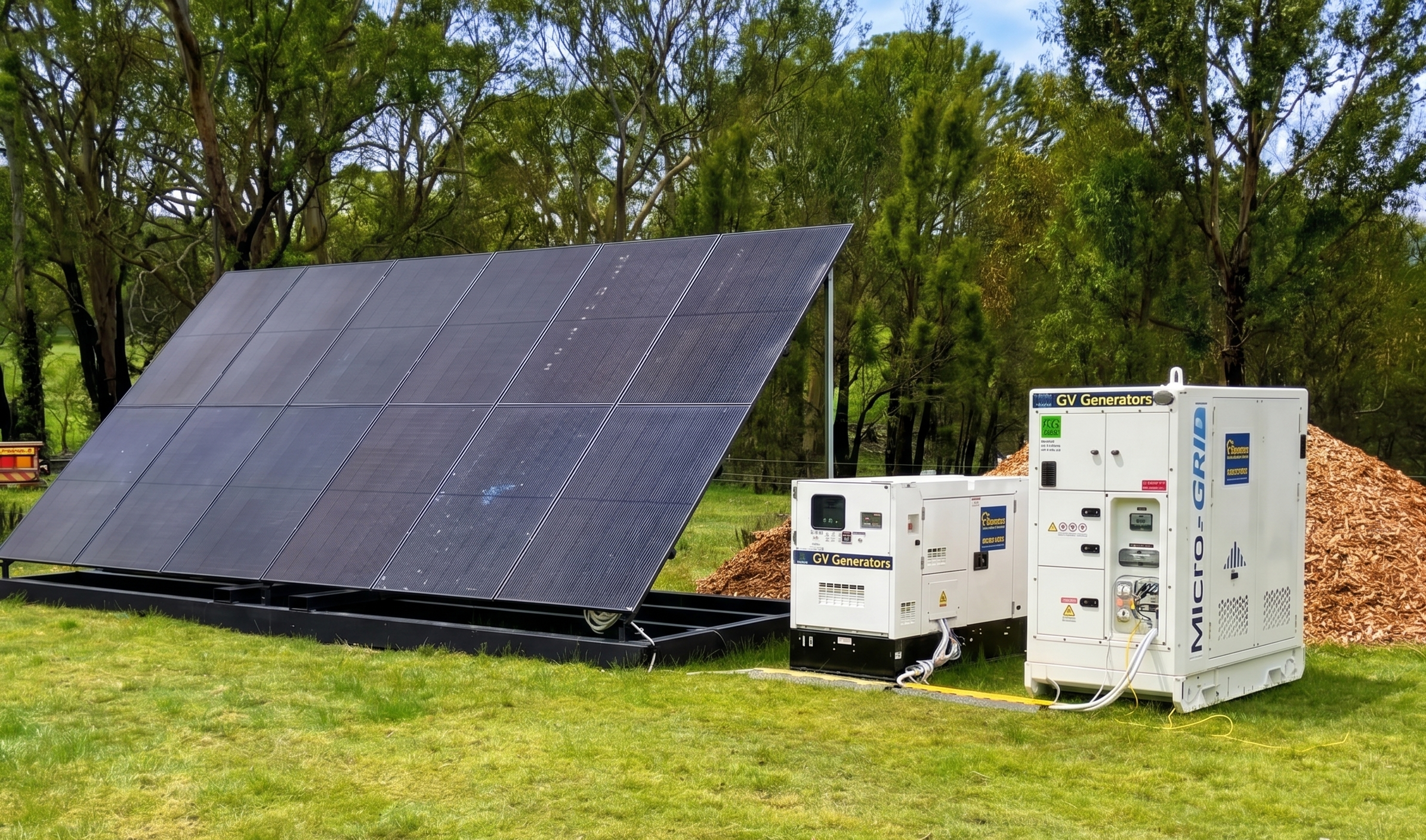
Choosing the right solar battery is one of the biggest decisions you’ll make when going solar in Australia. Whether you want to slash your electricity bills with a home solar battery or disconnect from the grid entirely with an off-grid solar battery system, this guide answers the questions homeowners actually ask — including the ones people type into Claude, ChatGPT, and Google every day.
What Is a Home Solar Battery?
A home solar battery stores excess electricity generated by your rooftop solar panels during the day so you can use it at night, during blackouts, or during peak-price periods. Instead of exporting surplus solar energy back to the grid for a small feed-in tariff, a battery lets you store that energy and use it yourself reducing how much power you need to buy from your retailer.
Most Australian homes with solar batteries stay grid-connected, using the battery to maximise self-consumption of solar power while still relying on the grid as a backup.
What Is an Off-Grid Solar Battery System?
An off-grid solar battery system is designed to run a property with no connection to the electricity grid at all. This setup typically includes:
- A larger solar panel array (to cover cloudy days and winter production drops)
- A significantly larger battery bank than a grid-connected system
- An off-grid inverter/charger
- Often a backup generator for extended low-sun periods
Off-grid systems are common in rural and remote properties across NSW and regional Australia where grid connection is expensive, unreliable, or simply unavailable.
Home Solar Battery vs Off-Grid Solar Battery: Key Differences
| Factor | Home (Grid-Connected) Battery | Off-Grid Battery System |
|---|---|---|
| Grid connection | Yes, stays connected | None |
| Typical battery size | 5–15 kWh | 15–40+ kWh |
| Backup power | Yes (during outages) | Full-time power source |
| Upfront cost | Lower | Higher |
| Backup generator needed | Rarely | Usually recommended |
| Best for | Suburban homes wanting bill savings + blackout protection | Rural/remote properties with no grid access |
How Does a Solar Battery Actually Work?
- Solar panels generate DC electricity during daylight hours.
- A hybrid or off-grid inverter converts this into usable AC electricity and/or charges the battery.
- Excess solar energy charges the battery instead of being exported to the grid.
- In the evening or during an outage, the battery discharges to power your home.
- Any remaining shortfall (grid-connected systems only) is topped up automatically from the grid.
Frequently Asked Questions
These are the exact types of questions people ask AI assistants like Claude, ChatGPT, and Google Gemini when researching solar batteries — answered here in plain language.
How big a solar battery do I need for my home?
Most Australian households use between 15–25 kWh of electricity per day. As a general rule, a battery sized at 10–14 kWh covers evening and overnight use for an average family after solar production stops. The right size depends on your household’s daily consumption, panel size, and whether you want full overnight coverage or just to shave peak-price usage.
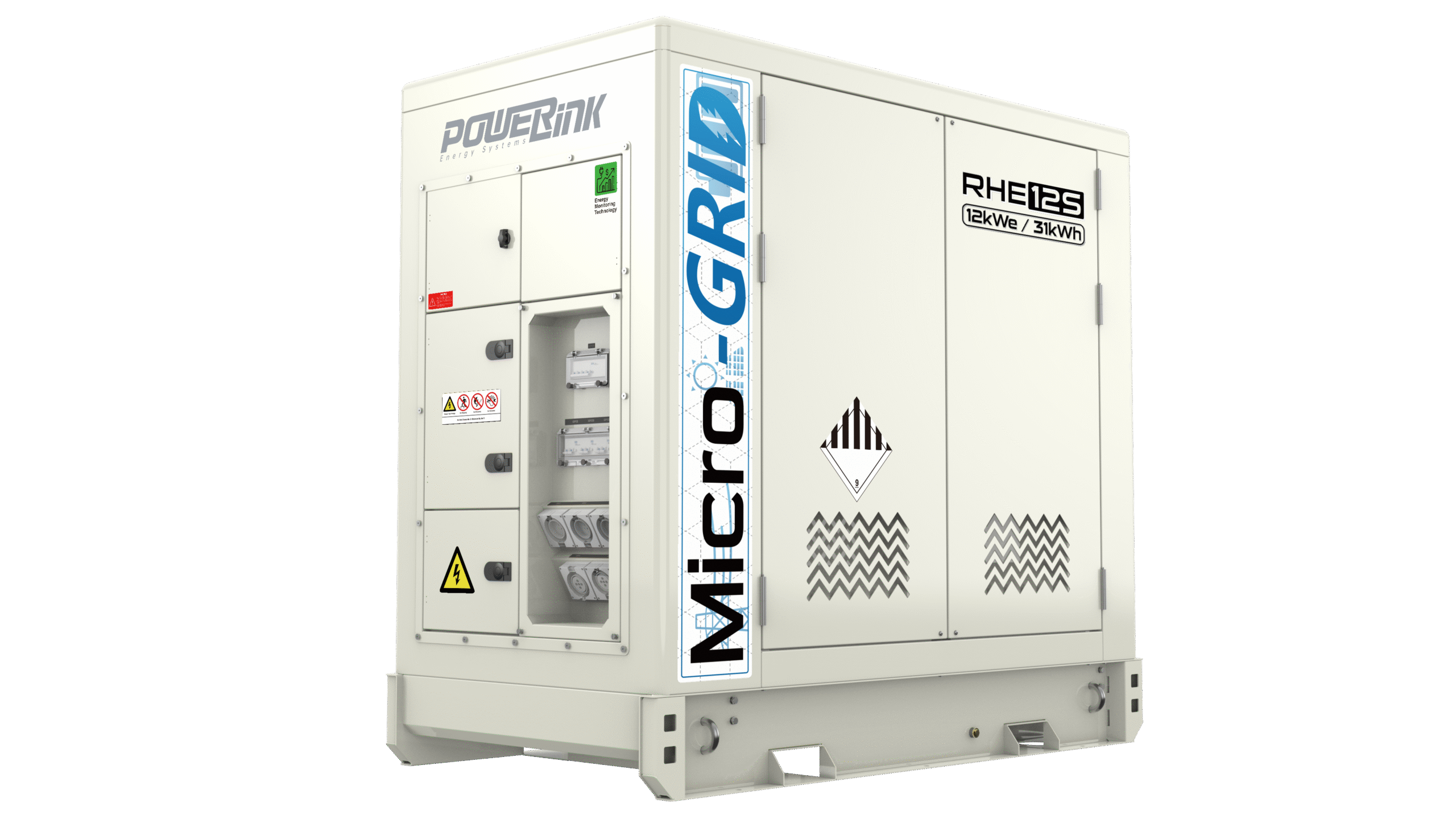
Can a home solar battery run my whole house during a blackout?
It depends on the system. Most grid-connected home batteries are installed with backup circuits covering essential loads (fridge, lights, internet, some power points) rather than the whole house, unless the battery and inverter are specifically sized and configured for whole-home backup. Off-grid systems, by design, are built to run the entire property.
How long does a home solar battery last?
Most lithium home solar batteries (LFP chemistry) are warrantied for 10 years or roughly 6,000–10,000 charge cycles, whichever comes first. In practice, many batteries continue operating beyond their warranty period at reduced capacity.
Is an off-grid solar battery system worth it if I already have grid access?
Usually not on cost grounds alone off-grid systems are more expensive because they need to be oversized to handle worst-case weather without any grid backup. Off-grid setups make the most financial sense when the cost of connecting to or staying on the grid (pole and wire extensions, remote property fees) exceeds the cost of going off-grid.
How much does a home solar battery cost in Australia?
Home battery pricing generally falls between roughly $800–$1,300 per kWh installed, so a common 10 kWh battery often lands somewhere in the $9,000–$14,000 range before rebates. Prices vary by brand, inverter compatibility, and installation complexity, and government rebates such as the federal Cheaper Home Batteries Program can significantly reduce this upfront cost.
What’s the difference between a hybrid inverter and an off-grid inverter?
A hybrid inverter manages solar, battery, and grid power together and is used in grid-connected home battery systems. An off-grid inverter (sometimes called a standalone inverter) is designed to run a property with no grid input at all, typically paired with a larger battery bank and often a backup generator input.
Do solar batteries work at night or on cloudy days?
Yes the battery discharges stored energy at night or during cloudy periods regardless of current solar production. The limiting factor isn’t whether the sun is shining right now, but whether enough energy was stored earlier to cover the shortfall.
What size solar system do I need to properly charge an off-grid battery?
Off-grid systems are typically sized well above daily average needs often 1.5–2x the panel capacity you’d install for an equivalent grid-connected home to ensure the battery still charges fully during short winter days or extended cloud cover, since there’s no grid to fall back on.
Choosing the Right Solar Battery for Your Property
If you’re on the grid and want lower bills plus blackout protection, a home solar battery paired with a hybrid inverter is usually the more cost-effective choice. If you’re on a rural or remote property without reliable grid access, an off-grid solar battery system sized to your household’s real energy needs with a backup generator for peace of mind is the safer long-term investment.
Every property is different, and the right battery size depends on your roof space, daily energy use, and budget. Getting a tailored system design from a qualified solar and battery specialist is the best way to avoid an undersized (or oversized) install.
Have a Question? Talk to Our Sales and Engineering Team
Still not sure whether a home solar battery or an off-grid solar battery system is right for your property? Our expert sales and engineering team can review your energy usage, roof space, and budget to recommend the right battery size and configuration for your needs.
PowerLink Energy Australia
- NSW: 6/113 Woodpark Rd, Smithfield NSW 2164 — Phone: (02) 8858 9688
- WA: 1685 Albany Hwy, Kenwick WA 6107 — Phone: (08) 9493 0994
- Email: info@powerlinkenergy.com.au
- Hours: Monday–Friday, 8:30am–5:00pm
Get in touch today and our team will help you find the right solar battery solution for your home or property.